Real Estate Social Media Story Templates
In the fast-paced world of property marketing, consistency is often the deciding factor between a lead scrolling past or stopping to inquire. If you find yourself staring at a blank canvas every time you need to post an update about a new listing or an open house, you are losing valuable time. This is where a robust library of Real Estate Social Media Story Templates becomes an indispensable asset. These are not just static images; they are dynamic frameworks designed specifically for the vertical, immersive nature of Instagram and Facebook stories, providing a polished, professional aesthetic that builds trust with potential buyers and sellers.
The Visual Character of Modern Real Estate Branding
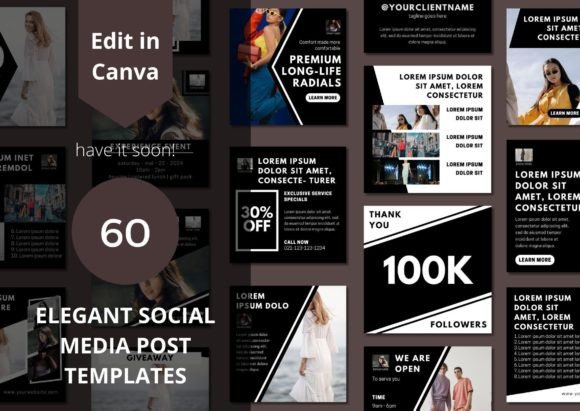
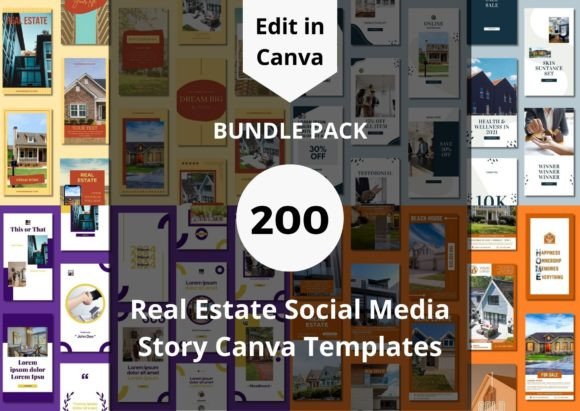
The style embedded within these Real Estate Social Media Story Templates leans heavily into modern typography and minimalist design. You will often notice a blend of sans serif font choices for clean readability, occasionally paired with a sophisticated serif font or a flowing script font to highlight luxury addresses or agent names. The visual personality is sharp, airy, and high-end. It avoids the clutter of older real estate marketing, focusing instead on ample white space (or negative space) that allows high-resolution property photography to take center stage. This approach ensures that the text elements—such as price tags, square footage, and call-to-action buttons—complement the image rather than competing with it.
Why Visual Hierarchy Matters in Property Marketing
When a potential client views your story, their eye needs to be guided. This is the concept of visual hierarchy. A well-designed template uses font size, weight, and placement to ensure the viewer sees the most critical information first. For instance, the word "SOLD" or "FOR SALE" might use a bold, heavy weight, while the agent's contact details use a lighter, smaller weight. By using these templates, you automatically implement professional graphic design principles without needing a degree in visual arts. This hierarchy improves readability and ensures that your message is communicated in seconds, which is crucial for the short attention span of social media users.
Practical Applications Beyond the "For Sale" Sign
While the primary use case is obvious—advertising a property—the versatility of a 200-template package extends far beyond simple listing announcements. These design assets are built to support a comprehensive content strategy.
- Agent Branding: Use templates to introduce your team. A handwritten font overlay on a casual team photo can humanize your brand identity, making you seem more approachable.
- Market Updates: Share statistics about local housing trends. Clean chart templates with strong typographic anchors help position you as an authority in the market.
- Testimonials: Social proof is vital. Templates designed for quotes allow you to overlay client reviews on photos of the homes you helped them buy or sell.
- Behind the Scenes: Show the reality of the business—staging a home, signing paperwork, or community events. A consistent filter and layout across these casual posts maintain your brand consistency.
Selecting and Evaluating the Right Template Pack
Not all templates are created equal. When you download a package of Real Estate Social Media Story Templates, you usually receive a PDF with links to the actual files, often hosted on platforms like Canva or similar editors. Before committing to a style, evaluate the typeface pairings included. Do they match the vibe of your brokerage? A luxury agency in Manhattan requires a different visual tone than a family-focused agency in the suburbs. Look for premium font styles that reflect sophistication if you are selling high-end properties, or friendlier, rounded sans serif options for approachable, entry-level housing markets.
Ensuring Readability and Accessibility
A common mistake in social media graphics is poor contrast. A beautiful script font in light gray over a white kitchen photo might look artistic, but it is impossible to read. When selecting your templates, prioritize those that offer solid backgrounds, text boxes with slight opacity, or bold text options. The goal is engagement, and engagement requires understanding the message. Always test the templates on a mobile device before publishing; what looks good on a desktop monitor might be illegible on a small phone screen.
Streamlining Workflow and Maintaining Consistency
For the busy realtor or marketing manager, efficiency is key. Having a library of 200 templates means you rarely have to repeat the exact same layout twice, yet your feed remains cohesive. This is the essence of effective digital publishing. You can batch-create content for the week in an hour, rather than spending an hour per post. This consistency signals professionalism to your audience. When they see a cohesive grid and uniform story highlights, they perceive your business as organized and reliable—traits highly valued when handling someone’s largest financial investment.
Licensing and Commercial Use
Finally, a note on professionalism: always check the licensing. Most digital assets intended for business use come with a commercial license, allowing you to use them for client work and advertising. However, verify if you can use the embedded creative font styles for logo design or packaging design outside of the social media templates. Usually, the license covers the template as a whole, but the individual fonts may have separate restrictions. By adhering to these guidelines, you protect your business while leveraging high-quality tools to elevate your market presence.